Why Does My Makeup Look Cakey? Real Causes, Quick Fixes & Prevention Tips
Published: 27 Feb 2026
You’ve put in the time, blended carefully, and set everything in place , and then you catch your reflection two hours later and it looks thick, dry, and almost mask-like. If you’ve ever asked yourself “why does my makeup look cakey?”, you’re not alone and you’re not doing anything catastrophically wrong. Cakey makeup is one of the most common frustrations in beauty, and the good news is that it’s almost always fixable once you identify what’s actually causing it. The answer usually comes down to skin prep, product choice, application technique, or a combination of all three.
What Does Cakey Makeup Actually Mean?
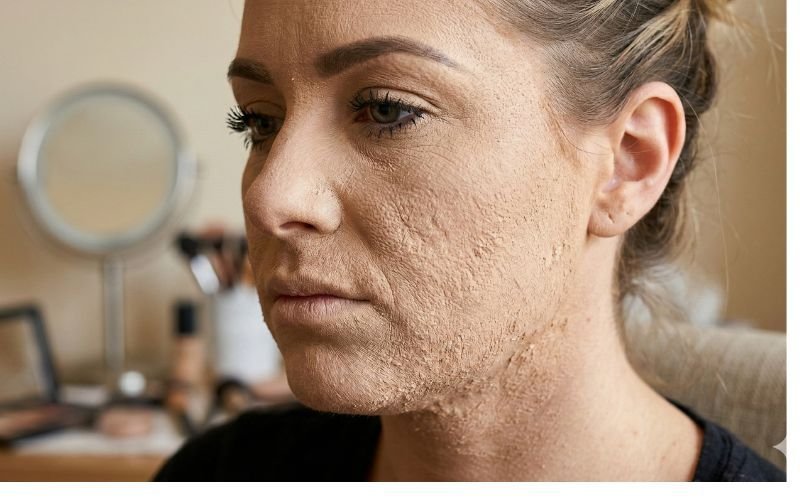
Before diagnosing the cause, it helps to understand exactly what “cakey” means in makeup terms. Cakey makeup describes foundation or base products that appear thick, heavy, and clumpy on the skin , it often occurs when too much makeup is applied or when the wrong products or techniques are used, and it can make skin look dry, flaky, and even older than it is by settling into fine lines and wrinkles.
It’s not just an aesthetic problem , it also signals that the makeup isn’t sitting properly on the skin, which means it’s likely to break down faster throughout the day, crease more aggressively, and require more touch-ups. Understanding what’s happening structurally makes it much easier to fix.
The Real Reason Makeup Goes Cakey: It’s Usually the Skin Underneath
Most people assume cakey makeup is a product problem, but professional makeup artists consistently point to the skin’s condition before a single product is applied. Cakey makeup occurs when foundation or other base products fail to blend smoothly into the skin , instead of a seamless, skin-like finish, the makeup appears thick, textured, dry, or greasy depending on your skin type and the application method.
Dry skin in particular is one of the biggest culprits. Emmy Award-winning makeup artist Alexandra French notes that if the skin is very dry, any foundation or powder will catch on dry skin and cause it to look unblended, heavy, or splotchy , which is why even a high-quality foundation can look terrible on skin that hasn’t been properly hydrated and prepped. Oily skin creates a different version of the same problem: celebrity makeup artist Tomy Rivero says that one of the most common causes of cakey-looking makeup is the way oily skin is prepped before application.
Skipping or Rushing Skin Prep
Skin prep is the foundation under the foundation, and skipping it is the single most reliable path to a cakey result. The skin needs to be clean, hydrated, and stable before any base product touches it , and each element of prep serves a specific purpose.
Cleansing removes the layer of overnight oils, dead skin cells, and environmental residue that would otherwise interfere with how foundation adheres to the skin. Moisturizing provides the hydration that keeps foundation from clinging to dry patches. And allowing products to fully absorb is a step many people underestimate. If you’re wearing serum, moisturizer, and sunscreen, be sure to wait at least 10 minutes so that the products are fully absorbed into your skin rather than creating a layer of product on your face for your foundation to sit on top of.
- Cleanse thoroughly before any makeup application , even if your skin feels clean
- Apply moisturizer and allow it to absorb fully, at least five to ten minutes
- Exfoliate once or twice a week to prevent dead skin buildup from disrupting foundation application
- Use a primer suited to your skin type to create a stable, even surface
Too Much Product
Over-application is arguably the most common single cause of cakey makeup, and it’s a surprisingly easy mistake to make because the instinct when coverage is patchy is to add more , which typically makes things worse. Makeup artist Alexandria Gilleo explains that applying too much product can build up and cause the skin to pill or become uneven, blotchy, and textured.
Foundation is a buildable medium, which means the correct approach is to start with a small amount and layer up only where needed, rather than applying a full coat everywhere at once. Pump foundation onto the back of your hand rather than directly onto a brush or your face , this gives you far more control over how much product actually ends up on your skin. Dot it across the key areas (cheeks, forehead, nose, chin) and blend outward from there, adding extra coverage only where required.
Using the Wrong Products for Your Skin Type
Even flawless application techniques can’t fully compensate for products that are fundamentally mismatched with your skin type. This is one of the most overlooked causes of persistent cakiness, particularly because people often discover their skin has changed , becoming drier or oilier than it once was , but continue using the same products out of habit.
If you have oily skin, a matte foundation is best for a shine-free finish. If your skin is dry, look for a cream or liquid foundation with hydrating ingredients , and opt for cream blushes over powders if you need a moisture boost, with fine translucent setting powders rather than full-coverage ones that highlight texture and dry spots.
For dry skin specifically, powder foundation is almost always the wrong choice , it absorbs the little moisture the skin has, leading directly to that flaky, cakey texture. For oily skin, rich cream-based products without an oil-control element tend to slide around and clump rather than sitting neatly on the skin.
Applying Liquids Over Powders
The order in which products are applied matters more than most people realise. Applying liquid products over powders can cause the powder to lift and leave your makeup looking cakey or uneven. This is a particularly common mistake when people use a setting powder mid-routine and then apply liquid highlight, cream blush, or another liquid product on top.
The general rule is: work creams and liquids first, then set with powders. Foundation, liquid concealer, and cream contour all go on before any powder product touches them. Once powder is applied, adding a liquid product on top disrupts the set surface and creates that characteristic lumpy, lifted texture. If you want to add a liquid highlight or cream blush after setting, apply them before powdering that area.
Wrong Tools or Poor Blending Technique
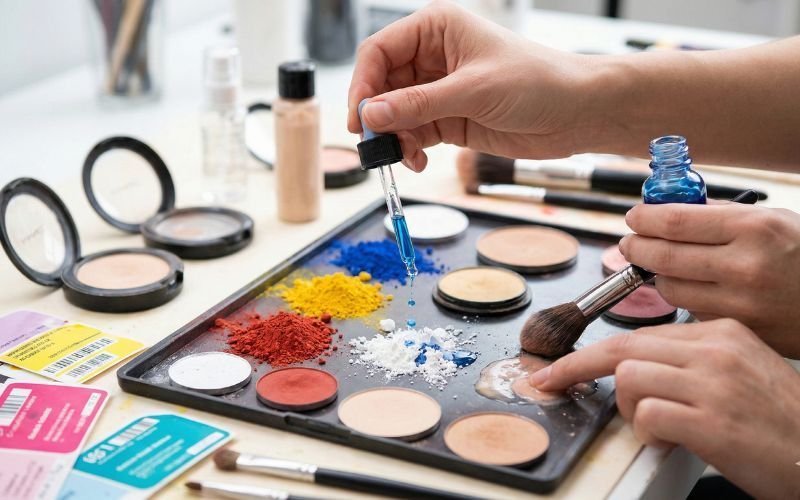
How you apply foundation is just as important as what you apply. Dense brushes can deposit too much product at once and leave a streaky, heavy finish. Dry application tools of any kind tend to push product around on the surface rather than pressing it into the skin. Makeup artists suggest using a damp beauty sponge rather than a foundation brush , blending by gently dabbing the product onto the skin helps it absorb better and prevents flakiness.
A damp sponge works by pressing and bouncing product into the skin rather than dragging it across the surface, which produces a significantly more skin-like finish. Dampen the sponge until it’s expanded fully, squeeze out the excess water, and use a pressing motion rather than wiping. This alone can transform the finish of the same foundation you’ve been using for months.
- Use a damp sponge or soft-bristled brush for foundation application
- Always blend using pressing and bouncing motions, not dragging strokes
- Blend in natural light where possible , indoor lighting hides patchy spots that are immediately visible in daylight
- Let each layer settle briefly before applying the next
Over-Powdering and Heavy Setting
Powder is essential for longevity and controlling shine, but heavy-handed powdering is one of the fastest routes to a cakey finish. Powder settles into fine lines, absorbs moisture from the skin and the products beneath it, and creates a thick, dry-looking surface when applied too liberally.
The fix is both how much powder you use and where you use it. Apply setting powder only to the areas that genuinely need it , typically the T-zone and any areas prone to creasing under the eyes. Use a fluffy, light-handed brush rather than a dense puff for the face overall. Baking (the technique of leaving a heavy layer of powder to sit under the eyes for several minutes) is beautiful for photography and certain skin types, but can look extremely cakey in everyday lighting, particularly on dry or mature skin.
Cause #7: Weather and Environmental Factors
Sometimes cakey makeup isn’t entirely about products or technique , the conditions you’re in play a real role too. High humidity and extreme heat cause sweat to make the foundation break down and clump together, while low humidity and cold weather can cause the skin to dry out and become flaky, with foundation then clinging to dry patches and resulting in a cakey appearance.
In humid climates or summer months, switching to a lighter-coverage, breathable formula and reducing the number of product layers makes a significant difference. In cold or dry conditions, extra emphasis on hydration , a richer moisturiser, a hydrating primer, and a setting spray with humectant ingredients , helps prevent the skin from drying out mid-wear.
How to Fix Cakey Makeup Without Starting Over
Finding that your makeup has gone cakey mid-day doesn’t mean you have to remove everything and begin again. Several quick techniques can rescue a look without a full reset, and most of them take under two minutes.
The most effective approach is to use a damp beauty sponge to press the makeup back into the skin. Dab gently rather than rubbing , rubbing will disturb the surrounding makeup and make patchy areas worse. For particularly cakey sections, a light mist of a hydrating face spray before sponging can soften and re-emulsify the product, making it blend more smoothly. Face mists can help “melt” foundation back into the skin when applied before blending , and steam from placing your face above hot water for a minute can loosen stiff, caked-on makeup and make it easier to blend evenly.
For oily-skin cakiness specifically, blotting sheets should come before any touch-up. Pressing a blotting sheet onto shiny or separated areas first removes the excess oil that’s causing the makeup to break down, giving you a cleaner surface to work with before re-blending.
The Primer Question: Does It Help or Make Things Worse?
Primer has a complicated relationship with cakey makeup , the right one prevents it; the wrong one causes it. A primer that doesn’t work with your foundation formula or your skin type can create a slippery barrier that stops foundation from adhering properly, which leads directly to slipping and caking.
For oily skin types, a mattifying primer before foundation helps keep oil from blending into the makeup and turning into a cakey puddle. For dry skin, a primer with hydrating ingredients , or even an emollient moisturiser in a pinch , is the right choice. Silicone-based primers work well under silicone-based foundations but can pill under water-based formulas, so matching the base of your primer to your foundation is worth checking.
As a general rule, less primer is more , a thin, even layer does the job better than a heavy coating.
Prevention: Building a Routine That Keeps Makeup Fresh All Day
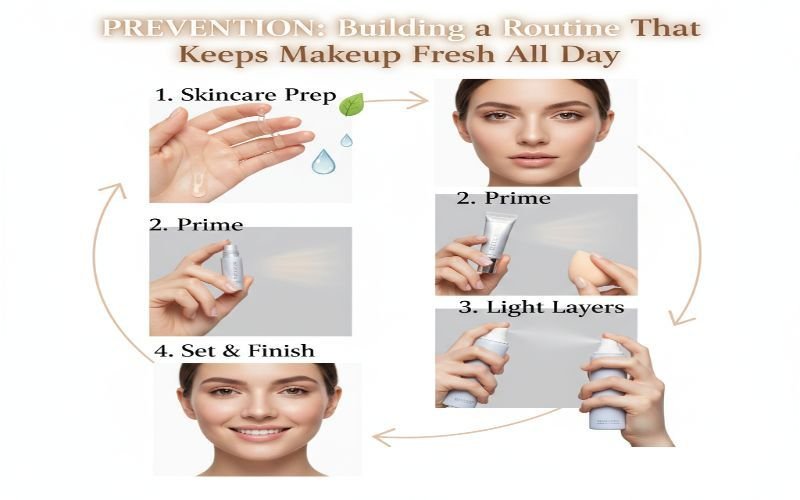
The most reliable solution to cakey makeup is building a routine where every step works in harmony with the ones around it. This isn’t about buying different products , it’s about being more intentional with the products you already have.
Understand your skin type and what it needs on any given day , it changes with seasons, hormones, and hydration levels. Match your foundation formula to your skin’s current condition. Apply products in thin, buildable layers rather than one heavy coat. Allow each skincare step to absorb before the next product goes on. Use the right tools for each product. And finish with a setting spray, which is one of the most underused steps in an everyday routine. A setting spray locks makeup in place and helps prevent shifting, transfer, and caking. For a dewy finish, look for a glass-skin style spray, and for a matte result, reach for a mattifying formula.
These habits don’t add significant time to a routine, but they change the quality of the end result entirely.
Final Thoughts
Cakey makeup is frustrating precisely because it can happen even when you’re trying hard to do everything right. But it’s almost never random , there’s always a specific cause, and once you identify it, the fix is usually straightforward. Whether it’s dry skin that wasn’t properly prepped, a foundation that isn’t suited to your skin type, or a powder-heavy routine that’s absorbing moisture from your base, each cause has a clear, practical solution. Work through the checklist in this article and you’ll almost certainly pinpoint exactly what’s been going wrong.

How to Clean Makeup Brushes: The Complete Guide to Spotless Bristles and Healthier Skin





- Be Respectful
- Stay Relevant
- Stay Positive
- True Feedback
- Encourage Discussion
- Avoid Spamming
- No Fake News
- Don't Copy-Paste
- No Personal Attacks
- Be Respectful
- Stay Relevant
- Stay Positive
- True Feedback
- Encourage Discussion
- Avoid Spamming
- No Fake News
- Don't Copy-Paste
- No Personal Attacks
