Pigeon Feed: The Complete Guide to Feeding Pigeons the Right Way
Published: 9 Mar 2026
If you keep pigeons , whether as pets, racing birds, or backyard flocks , one of the most important decisions you’ll make daily is what goes into their feed. Pigeon feed isn’t a one-size-fits-all topic. The right diet depends on the bird’s age, purpose, season, and health condition. Get it right, and your pigeons thrive. Get it wrong, and you’ll see it in their feathers, energy levels, and breeding performance. This guide is built to help you understand exactly what pigeon feed is, what it should contain, and how to choose the best option for your specific situation.
What Is Pigeon Feed and Why Does It Matter?
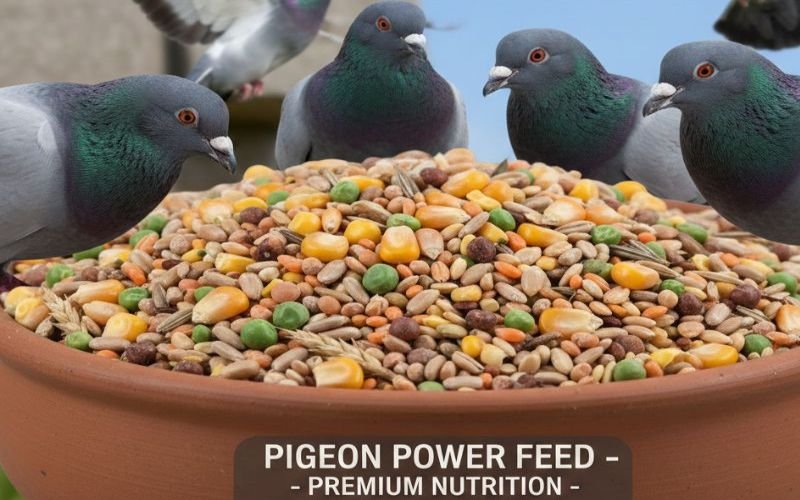
Most people assume pigeons can eat anything , and while they’re resilient birds, that assumption leads to poor health outcomes over time. Pigeon feed refers to the carefully balanced combination of grains, seeds, legumes, and supplements designed to meet a pigeon’s complete nutritional needs. A bird fed randomly will survive. A bird fed correctly will perform, breed, and live significantly longer.
The foundation of any good pigeon diet is:
- Grains , corn, wheat, barley, and milo make up the energy base
- Legumes , peas, lentils, and beans provide essential protein
- Seeds , safflower, millet, and hemp seeds add variety and healthy fats
- Grit and minerals , calcium and trace minerals support digestion and bone health
Understanding these building blocks helps you evaluate any commercial pigeon feed mix you come across , and know whether it’s actually worth the price.
Types of Pigeon Feed Available in the Market
The market for pigeon feed has grown considerably, and today’s pigeon keepers have access to far more specialized options than a generation ago. Knowing the types helps you shop with confidence rather than guessing at the feed store.
Straight grains are the most basic form , single ingredients like cracked corn or whole wheat sold individually. Experienced pigeon keepers often blend their own mixes using straights, giving them full control over ratios. This approach works well but requires knowledge of nutritional balance.
Blended pigeon mixes are pre-formulated and sold ready to use. These are the most practical choice for most pigeon owners, especially beginners. A quality blend typically contains 30–40% protein-rich legumes, a variety of grains for energy, and sometimes added vitamins.
- Racing pigeon feed , higher in protein and carbohydrates to support sustained flight energy
- Breeding pigeon feed , enriched with calcium and extra protein for egg production and chick development
- Maintenance feed , balanced for everyday non-breeding, non-racing pigeons
- Young pigeon (squab) feed , softer, finely ground mixes for birds under 4 weeks
How Much Should You Feed a Pigeon Daily?
One of the most common questions pigeon owners ask is about quantity , and it’s more nuanced than most guides admit. Overfeeding leads to obesity and lazy birds; underfeeding affects performance and immunity.
A healthy adult pigeon typically consumes around 30 to 50 grams of feed per day, depending on its size, activity level, and season. Racing pigeons in training may need closer to 60–70 grams on heavy exercise days. Breeding hens feeding squabs will need significantly more , sometimes double their normal intake.
A practical daily feeding approach looks like this:
- Feed twice a day , morning and late afternoon
- Remove uneaten feed after 20–30 minutes to prevent spoilage and pests
- Adjust quantities based on how much is consistently left over
- Increase feed during cold months when pigeons burn more energy for warmth
- Always provide fresh, clean water alongside every meal
The Role of Protein in Pigeon Feed
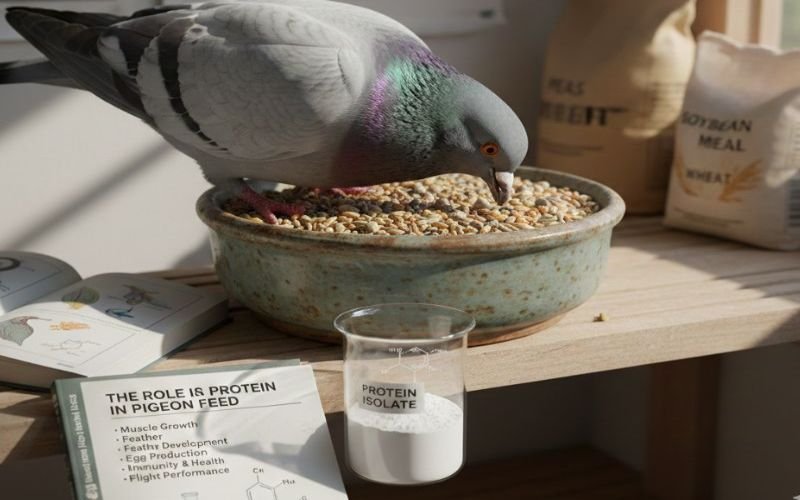
Protein is arguably the most critical macronutrient in a pigeon’s diet, yet it’s often misunderstood. Pigeons need protein not just for muscle, but for feather growth, immune function, egg production, and tissue repair. The right protein level changes depending on what your bird is doing.
For resting or non-breeding pigeons, a protein content of around 14–16% in the overall diet is generally sufficient. For birds in heavy training or actively breeding, protein requirements rise to 18–22%. This is why using a single feed for all purposes rarely works well , the nutritional demands are simply too different.
Legumes like peas and vetch are the primary protein sources in most pigeon feed mixes. Some premium feeds also include soybean meal or dried insects for an added protein boost, which is particularly useful during molt season when feather regeneration places high demands on the body.
Supplements That Work Alongside Pigeon Feed
Even the best pigeon feed mix benefits from strategic supplementation. Supplements aren’t a replacement for quality feed , they fill specific nutritional gaps that grain-based diets can’t fully address on their own.
The supplements most widely used by experienced pigeon keepers include:
- Grit , essential for digestion; pigeons have no teeth and rely on grit in their gizzard to grind food
- Oyster shell or limestone , provides calcium for strong eggshells and healthy bones
- Electrolytes , particularly useful during hot weather or post-race recovery
- Probiotics , support gut health and improve feed absorption
- Apple cider vinegar , added to drinking water to maintain gut acidity and reduce bacteria
These aren’t expensive additions, but they make a measurable difference in the long-term health of your flock.
Best Pigeon Feed for Racing Pigeons Specifically
Racing pigeons are athletes, and their feed needs to reflect that. If you’re involved in pigeon racing, understanding the relationship between feed and performance is non-negotiable. The wrong diet doesn’t just mean slower times , it can mean birds that don’t return at all.
During the racing season, most experienced fanciers shift to a high-energy depurative mix in the days after a race to help the bird recover, then transition to a conditioning mix mid-week, and a carbohydrate-rich performance mix in the 24–48 hours before the next race. This cycling approach mirrors what endurance athletes do with nutrition periodization.
Key grains favored for racing pigeon feed include:
- Corn (maize) , highest calorie density, ideal pre-race
- Wheat , balanced energy and digestibility
- Barley , used in depurative mixes for post-race cleansing
- Rice , easy to digest, good for recovery days
Common Pigeon Feed Mistakes to Avoid
Even well-meaning pigeon keepers make feeding errors that quietly undermine their flock’s health. Recognizing these mistakes is just as valuable as knowing what to do right.
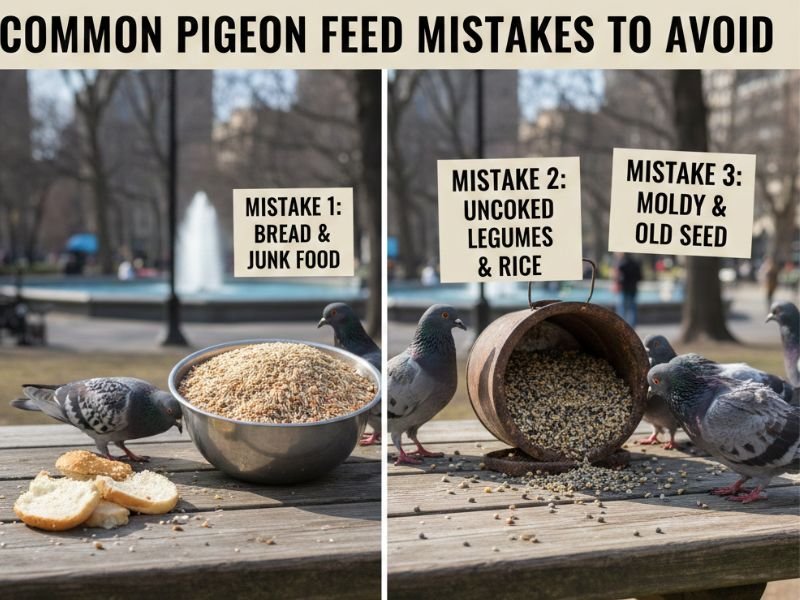
The most frequent mistake is feeding bread, rice leftovers, or kitchen scraps regularly. While pigeons will eat these, they lack the nutritional density birds need and can cause digestive issues over time. Another common error is ignoring seasonal changes , pigeons need more energy in winter and more protein during breeding season, and a static year-round diet doesn’t account for this.
- Never feed moldy or damp grain , it causes crop infections and can be fatal
- Avoid sudden feed changes; transition over 5–7 days to prevent digestive upset
- Don’t skip grit , pigeons without access to grit cannot properly digest their food
- Avoid medicated poultry feeds not formulated for pigeons, as some additives are toxic to them
Where to Buy Quality Pigeon Feed
Finding reliable pigeon feed has become easier thanks to both local agricultural suppliers and online platforms. For most pigeon keepers, the best strategy is to use a trusted local supplier for bulk grains and legumes, and supplement with specialty mixes ordered online for racing or breeding seasons.
When evaluating any pigeon feed product , online or in-store , check for:
- A clear ingredient list with named grains and legumes (not vague “grain products”)
- A protein percentage listed on the label
- No excessive fillers like oat hulls or dust
- Packaging that protects from moisture
- Positive reviews specifically from racing or breeding pigeon keepers , not just general bird owners
Quality pigeon feed is one of the lowest-cost, highest-impact investments you can make in your birds. A flock fed well costs less in veterinary care, performs better, and simply lives longer.



- Be Respectful
- Stay Relevant
- Stay Positive
- True Feedback
- Encourage Discussion
- Avoid Spamming
- No Fake News
- Don't Copy-Paste
- No Personal Attacks
- Be Respectful
- Stay Relevant
- Stay Positive
- True Feedback
- Encourage Discussion
- Avoid Spamming
- No Fake News
- Don't Copy-Paste
- No Personal Attacks
