Lemon Malt Benefits: Nutrition-Hydration and Energy-An Honest Guide
Published: 7 Mar 2026
Lemon malt is a beverage that sits at an interesting intersection , part traditional drink, part modern health choice. Combining the tartness of lemon with the wholesome depth of malted grain, it has long been popular across South Asia and parts of the Middle East as a refreshing warm-weather drink. In recent years, it has attracted growing attention as a natural alternative to heavily processed energy drinks and sugary sodas.
But what does lemon malt actually offer nutritionally? Which health benefits are well-supported, and which are overstated? This guide takes an honest look at both , giving you a clear picture so you can make an informed decision about whether and how to include it in your diet.
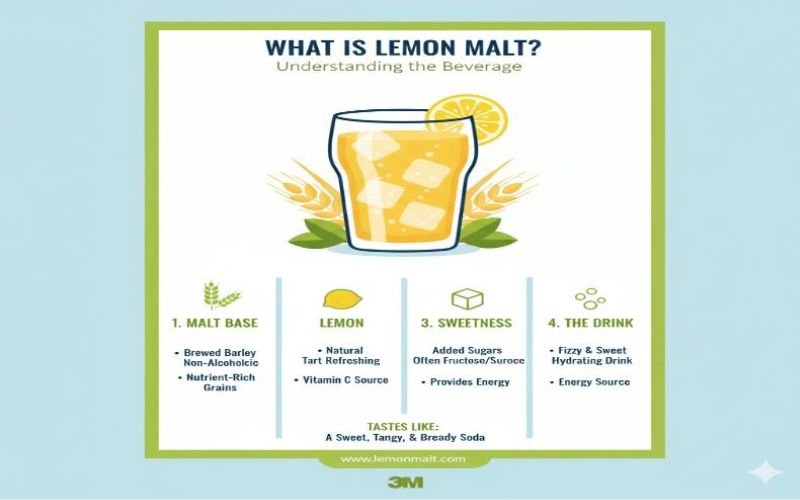
What Is Lemon Malt? Understanding the Beverage
Before examining benefits, it is worth clarifying what “lemon malt” actually refers to, since the term covers several distinct products.
- Malt-based lemon drinks are beverages made from malted barley or other malted grains combined with lemon flavour, citric acid, or real lemon juice. These range from homemade preparations to commercially bottled products. In Pakistan and India, lemon malt drinks are a popular summer staple, often sold in powder or syrup form to be mixed with water.
- Malted grain is grain , most commonly barley , that has been allowed to germinate and then dried. The germination process activates enzymes that convert starches into simpler sugars, producing a distinctive sweet, slightly nutty flavour. Malting also enhances the bioavailability of certain nutrients.
- Lemon contributes vitamin C, citric acid, and a range of flavonoids (plant compounds with antioxidant properties).
The nutritional profile of any specific lemon malt product will vary depending on whether it is homemade, a natural malt extract, or a commercially processed drink with added sugars and flavourings. The distinction matters significantly when evaluating health claims.
Nutritional Profile of Lemon Malt
A homemade or minimally processed lemon malt drink typically provides the following nutritional components:
- From malted grain: Carbohydrates (primarily maltose and glucose, providing quick and medium-term energy), B-complex vitamins (B1/thiamine, B2/riboflavin, B3/niacin, B6, and folate , important for energy metabolism and nervous system function), minerals including magnesium, potassium, and phosphorus, dietary fibre (particularly in less refined preparations), and small amounts of protein.
- From lemon: Vitamin C (ascorbic acid) , a genuine and well-researched antioxidant and immune support nutrient, citric acid , which has digestive and mineral absorption benefits, flavonoids including hesperidin and eriocitrin with antioxidant properties, and trace amounts of potassium and calcium.
- An important caveat on commercial products: Many commercially available lemon malt drinks contain significant amounts of added sugar, artificial flavourings, and preservatives. In these formulations, the health benefits of the base ingredients may be partially offset by a high sugar content. Always check the nutrition label , particularly total sugar content , before assuming a commercial lemon malt product carries the same benefits as a natural preparation.
Genuine Health Benefits of Lemon Malt
When prepared thoughtfully and consumed in moderation, lemon malt can offer several practical nutritional advantages.
1. Hydration Support
Lemon malt is a genuinely effective hydration drink, particularly after physical activity or exposure to heat. The combination of water, natural electrolytes (potassium and magnesium from both lemon and malt), and carbohydrates mirrors the basic composition of a sports rehydration drink.
Potassium and sodium help the body retain and distribute fluids effectively. Carbohydrates from malted grain support fluid absorption in the gut. Lemon’s mild acidity can make the drink more palatable, which encourages greater fluid intake , itself the most important factor in hydration.
For everyday hydration, plain water remains the most effective and evidence-supported choice. But for post-exercise or heat-related rehydration where electrolyte replacement is also needed, a natural lemon malt drink is a reasonable and flavourful alternative to commercial sports drinks.
2. Energy Restoration
The carbohydrates in malted grain are partially pre-digested during the malting process, making them more rapidly available as energy than whole grains. This means lemon malt can provide a relatively quick energy boost , useful after exercise, during a long working day, or in the mid-afternoon energy slump.
Unlike the sharp spike-and-crash pattern of high-sugar drinks, a well-formulated malt drink tends to provide more sustained energy release due to the presence of complex carbohydrates alongside simpler sugars. However, this benefit is most relevant when the drink is not overly sweetened with refined sugar, which would dominate the glycaemic profile.
3. Digestive Support
Both lemon and malted grain offer genuine digestive benefits, though through different mechanisms.
Citric acid in lemon stimulates the production of digestive secretions, including bile, which aids in fat digestion. Lemon juice before or during meals has been associated with improved mineral absorption , particularly iron , and some evidence suggests it may help reduce post-meal blood sugar spikes when consumed alongside food.
Malted barley contains enzymes (amylases and proteases) that can assist in breaking down starches and proteins. It also contains some prebiotic fibres , dietary fibres that feed beneficial gut bacteria rather than being digested directly. A healthy gut microbiome is increasingly linked to broader health outcomes including immune function, mental health, and metabolic efficiency.
These are real and documented benefits, though it is important to note they are modest. Lemon malt is a supportive dietary element, not a digestive remedy.
4. Vitamin C and Immune Function
Vitamin C is one of the most well-researched nutrients in nutritional science. Its roles include supporting immune cell function, acting as an antioxidant that protects cells from oxidative damage, enhancing iron absorption from plant-based foods, and supporting collagen synthesis (important for skin, joints, and wound healing).
The vitamin C content of a lemon malt drink depends on the amount of real lemon juice used. A drink made with the juice of one medium lemon contains approximately 30–40mg of vitamin C , about 35–45% of the recommended daily intake for adults. This is a meaningful contribution, particularly in contexts where fresh fruit and vegetable consumption is limited.
Commercially prepared lemon malt drinks often use citric acid (a flavouring agent) rather than real lemon juice, which provides the sour taste but not the vitamin C. Again, checking whether the product contains real lemon juice or lemon flavouring is important.
5. Antioxidant Content
Both lemon and malted grain provide antioxidants , compounds that neutralise free radicals and reduce oxidative stress, which is implicated in ageing and chronic disease development.
Lemon’s flavonoids, including hesperidin and naringenin, have demonstrated antioxidant and anti-inflammatory effects in laboratory studies. Malted barley contains polyphenols, including ferulic acid, which has antioxidant and potentially anti-inflammatory properties.
The antioxidant content of any beverage should be seen as a complement to a diet already rich in fruits, vegetables, and whole grains , not as a standalone health strategy. A single drink, however nutritious, contributes a relatively small fraction of your total daily antioxidant intake compared to a diet broadly based on diverse plant foods.
6. B-Vitamin Contribution
The B-complex vitamins in malted grain play genuinely important roles: thiamine (B1) supports nerve and muscle function; riboflavin (B2) is essential for energy metabolism; niacin (B3) supports hundreds of enzymatic reactions; folate is critical for DNA synthesis and particularly important during pregnancy.
For individuals whose diets may be low in whole grains , particularly in contexts where white refined flour dominates , lemon malt provides a modest but real contribution of these nutrients.
Honest Limitations and What Lemon Malt Cannot Do
While lemon malt can be a refreshing and nutritious beverage, it’s important to understand its limitations and avoid exaggerated health claims.
- It is not a medicine. Lemon malt is a nutritious beverage with documented components that support health. It does not treat, cure, or prevent any specific disease or condition, and should not be used in place of medical advice or treatment.
- Commercial versions may undermine the benefits. Many widely available lemon malt products are high in added sugar , sometimes containing as much as 25–35g of sugar per serving. At these levels, the metabolic impact of the sugar may outweigh the benefits of the other ingredients, particularly for individuals managing blood glucose, weight, or dental health. Reading labels is essential.
- Vitamin C degrades with heat and time. If you are making lemon malt at home and then storing it or heating it, a significant proportion of the vitamin C will degrade. Fresh preparation maximises nutritional value.
- It is not a weight loss drink. While lemon malt is a reasonable choice compared to heavily sweetened sodas or energy drinks, it still contains calories from carbohydrates. Claims that it actively promotes weight loss through detoxification or metabolism boosting are not supported by clinical evidence.
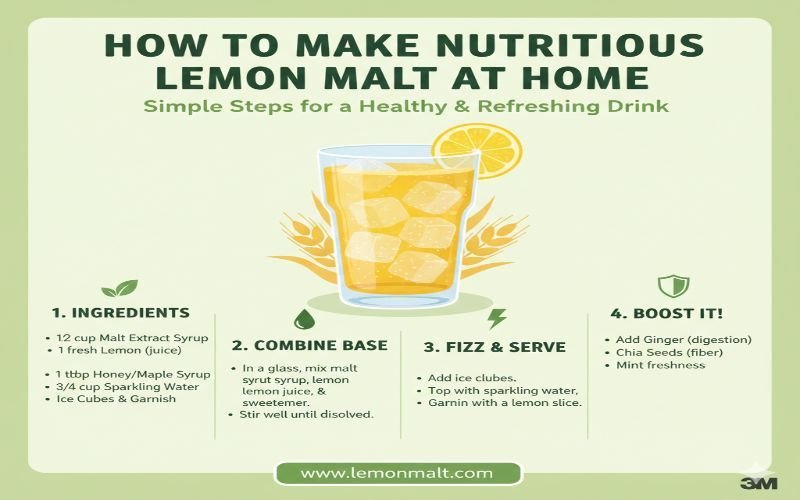
How to Make Nutritious Lemon Malt at Home
Making lemon malt at home allows you to control the ingredients and maximise the nutritional value. A simple and nutritious preparation:
Ingredients (serves 2):
- 2 tablespoons malt extract (available at health food shops and some supermarkets)
- Juice of 2 medium lemons (approximately 60–80ml)
- 500ml cold water
- A pinch of sea salt (provides sodium for electrolyte balance)
- 1 teaspoon honey or a small amount of another natural sweetener (optional, to taste)
- Ice
Method: Combine the malt extract and lemon juice in a jug. Add water and stir until the malt extract is fully dissolved. Add salt and sweetener if using. Serve over ice. Consume fresh for maximum vitamin C content.
This preparation avoids added refined sugar, retains the genuine nutritional components of both malt and fresh lemon, and provides natural electrolytes.
Who Benefits Most from Lemon Malt?
Active individuals and athletes benefit from the combination of rapid carbohydrates for energy restoration, electrolytes for rehydration, and vitamin C for recovery support.
- People in hot climates , particularly during summer months , find lemon malt a more nutritious and less sweet alternative to carbonated soft drinks for staying hydrated.
- Those with low whole grain intake may benefit from the B vitamins and prebiotic fibre that malted grain provides.
- People looking to reduce soft drink consumption can find lemon malt a satisfying alternative , provided they choose low-sugar or homemade versions.
- Pregnant women should note the folate content of malted grain as a positive but should not rely on any single beverage as a primary source of pregnancy nutrition, and should consult their healthcare provider regarding their full nutritional needs.
Lemon Malt vs Common Alternatives: A Practical Comparison
| Beverage | Hydration | Natural Nutrients | Sugar Content | Overall Assessment |
| Homemade lemon malt | Good | Good (Vit C, B vitamins, minerals) | Low–moderate (controllable) | Strong everyday choice |
| Commercial lemon malt | Good | Variable (check label) | Often high | Read label carefully |
| Commercial sports drink | Good | Electrolytes added synthetically | Moderate–high | Useful post-exercise, not daily |
| Carbonated soft drink | Moderate | Minimal | Very high | Poor everyday choice |
| Plain water | Excellent | None | None | Best for regular hydration |
| Fresh lemonade (homemade) | Good | Vitamin C, flavonoids | Moderate (controllable) | Good but lacks malt nutrients |
The Bottom Line on Lemon Malt
Lemon malt is a genuinely nutritious beverage when made with real ingredients and consumed as part of a balanced diet. Its combination of malt-derived B vitamins, carbohydrates, and prebiotic fibre with lemon-derived vitamin C and antioxidants makes it a more nutritionally complete choice than most commercial soft drinks.
The key qualifiers are important: natural or homemade preparations significantly outperform heavily processed commercial versions; it is a dietary complement rather than a health remedy; and like any food or drink, it works best as part of a broadly healthy eating pattern rather than as a standalone solution.






- Be Respectful
- Stay Relevant
- Stay Positive
- True Feedback
- Encourage Discussion
- Avoid Spamming
- No Fake News
- Don't Copy-Paste
- No Personal Attacks
- Be Respectful
- Stay Relevant
- Stay Positive
- True Feedback
- Encourage Discussion
- Avoid Spamming
- No Fake News
- Don't Copy-Paste
- No Personal Attacks
